
Presenters
The two presenters, William Boughton and Tom Duffy, are highly respected and well-liked and known musicians who have collectively contributed 72 years to the Connecticut arts scene. Both are conductors of symphony orchestras and bands, as well as educators, providing an insider's perspective on the art of performance and a deep understanding of the state's artistic landscape.
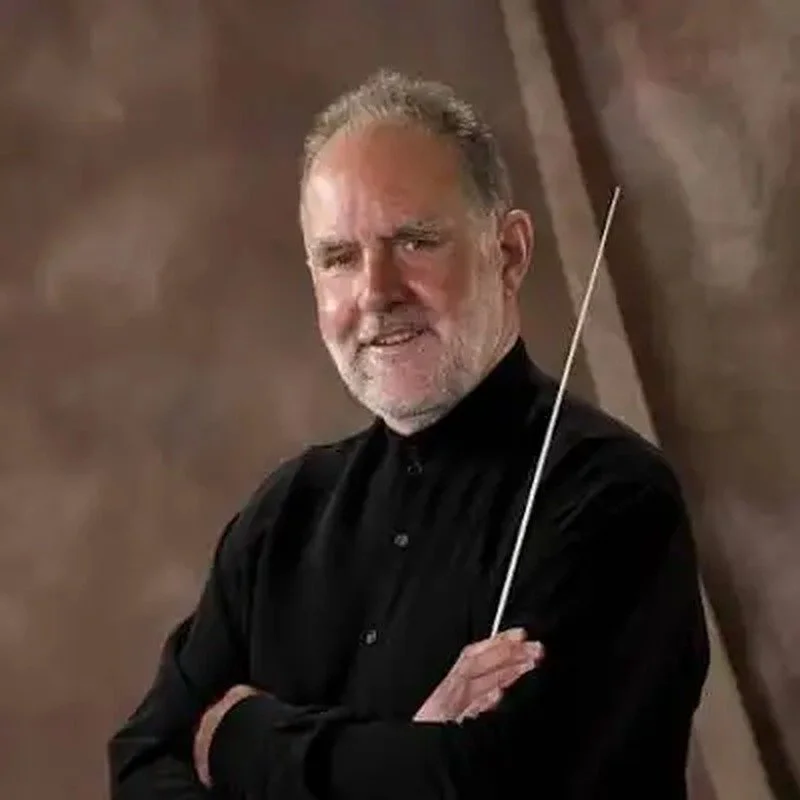
William Boughton has been the Music Director of Orchestras in the UK, Finland and the USA, most recently teaching at Yale University and Director of the Yale Symphony Orchestra. Born in the UK, he was taught that all the children should learn a musical instrument and have the ability to participate in musical events at home and in the community. William and his wife Janet and two children, came to the States in 2007 when he became the 10th Music Director of the New Haven Symphony. William has always been an advocate for young artists and programming music by living composers for ‘the creators are the very life-blood of all art-forms expressing each generation’s challenges in innovative ways’.
In demand as a Speaker and when not found at the Theater, Concert Hall or one the many wonderful Art Museums in Connecticut he can be seen gardening or sailing in The Sound.
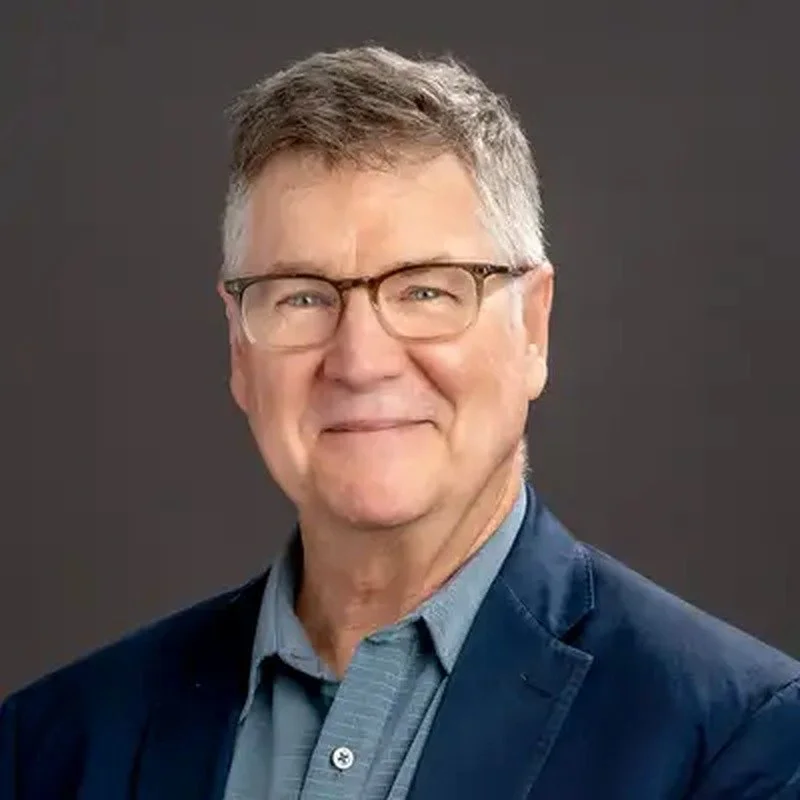
Tom Duffy, composer and conductor, has been writing for and leading jazz ensembles, wind ensembles, concert bands, marching bands, and orchestras for more than forty years, including music directing UConn’s Nutmeg Summer Playhouse.
Tom’s BMI music publishing company, Plankton Press, reflects his conviction—evidenced through his many compositions for less-experienced ensembles and his work as a clinician—that early school arts programs are the plankton of the cultural food chain. Tom’s compositional work is described in the Grove Dictionary of American Music as … " creative music that introduced a generation of middle and high school musicians to contemporary techniques, including aleatory, the integration of spoken/sung words and “body rhythms” with instrumental performance, and the deft pairing of music with political, social, historical, and scientific themes.”
Tom’s wife, Valerie, is a scientist who plays the flute better than Tom plays anything. Their son Chris is a Latin-teaching linguist who relaxes by thumping out difficult heavy metal bass lines. When he’s not teaching, Tom is usually working on his 1826 Federal farmhouse and his three-acre “farm,” perched on his orange tractor and doing his best to stay out of the sun.